01 — VLM Cost Guide
How Much Does a Vertical Lift Module Cost?
VLM pricing is the most guarded number in warehouse automation. Here are the published market ranges, the cost drivers that actually move a quote, and the total-cost math — including the installation line most vendors quote separately.
01 — VLM Cost Guide
Published VLM Price Ranges (So You Can Budget Before You Call)
Manufacturers rarely publish VLM pricing, but the guides that do put entry-level vertical lift modules at roughly $75,000 (Modula's published starting point) to $95,000+ (Kardex's published ASRS cost guide), with White Systems quoting Compact VLMs starting around $90,000+. A common planning rule is $6,000–$8,000 per vertical foot of machine height.
Mid-size, fully configured machines for real warehouse duty commonly land between $100,000 and $175,000 per unit before software and options. Treat any single starting number with suspicion: tray size, tray count, load capacity, and height move the price more than the brand badge does.
What a quote includes matters as much as the number — equipment-only pricing and installed pricing are different conversations.
VLM Cost Comparison — Published Market Ranges
| Option | Published starting range | Install | Best for | Watch out for |
|---|---|---|---|---|
| Vertical lift module (VLM) | $75,000–$95,000+ per unit | 10–25% of equipment if bought separately; included in IES quotes | High-density parts storage, pick accuracy, floor-space recovery | Height and tray count move price fast |
| Vertical carousel | ~$70,000+ | Similar structure | Lighter parts, lower throughput | Slower access than a VLM at volume |
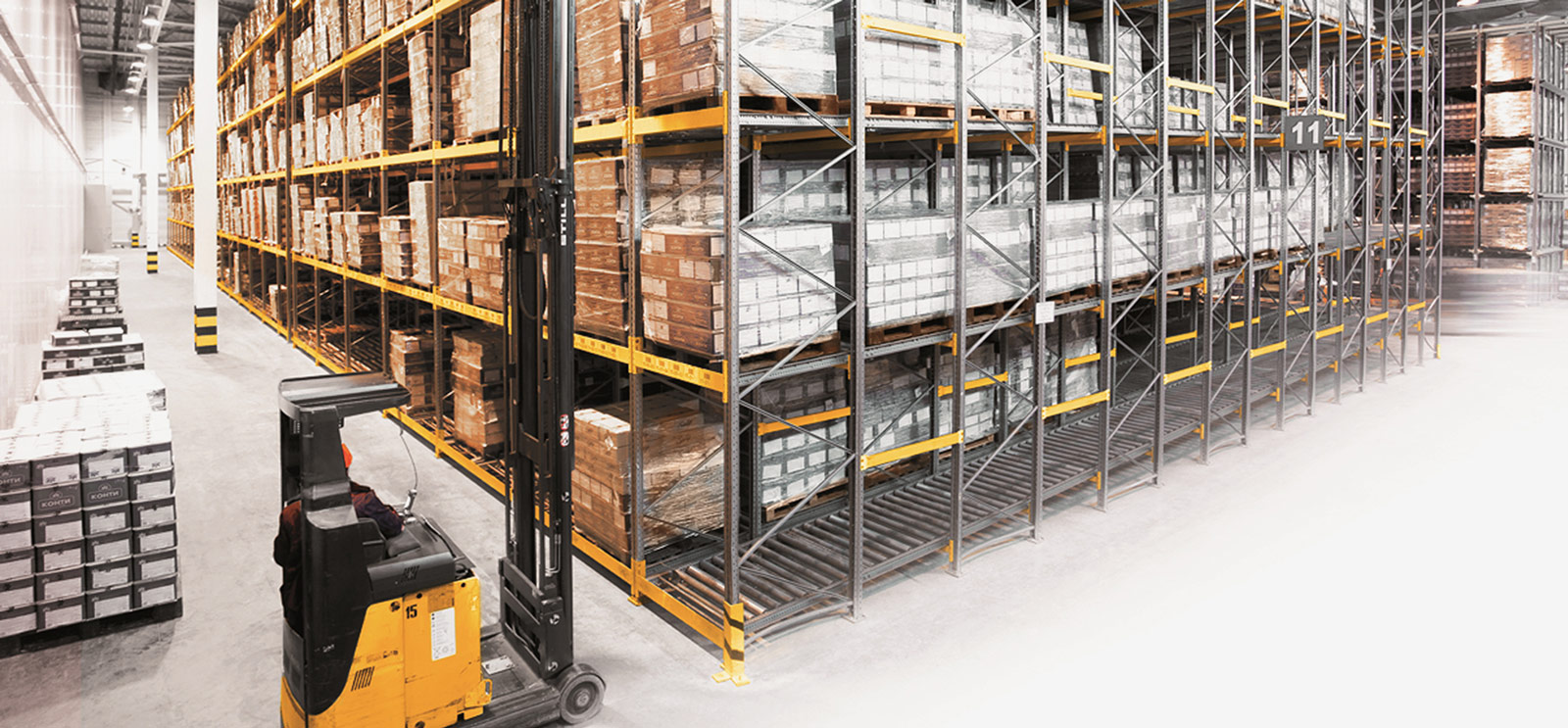
| More static racking | Lowest per position | Minimal | Bulk pallet storage with cheap floor space | Consumes floor forever; no pick productivity gain |
| ASRS / mini-load | $750,000+ | Program-level | Very high throughput, enterprise scale | Different budget category entirely |
02 — Deep Dive
What Actually Drives a VLM Quote
Height is the biggest lever: every additional vertical foot adds structure, lift capacity, and money. Tray count and tray dimensions come next — wider, deeper, higher-capacity trays cost more, and most facilities need more trays than the first estimate.
Software and WMS integration ranges from about $5,000 for a basic connection to $100,000 for complex multi-system integrations. Options add up quietly: pick-to-light runs roughly $1,000 per module position, and barcode/RFID confirmation, ergonomic tilt trays, and dual delivery openings all carry prices.
Installation typically runs 10–25% of equipment cost when a dealer or third party performs it — freight for a European-built machine is inside that math too.
03 — Implementation
Total Cost: The Lines After the Equipment Price
Budget the whole program, not the machine. Installation and commissioning: included in IES quotes — IES is the factory-direct North American integration partner, so there is no distributor markup stacked on the equipment and no separate installer to contract.
Maintenance runs 5–10% of equipment cost per year at market norms; IES preventive maintenance programs are quoted flat so the number is known up front. Training and workflow design are part of an IES deployment, not an add-on.
The honest comparison is total installed cost per tray delivered to your dock, integrated with your WMS, with your operators trained — that is the number to hold every vendor to, including us.
04 — Deep Dive
VLM vs. Vertical Carousel vs. More Racking
A vertical lift module is not always the right answer. Vertical carousels publish around $70,000+ and suit lighter, slower-moving parts.
More static racking is the cheapest option per pallet position and the most expensive option per square foot of floor it consumes forever. The VLM wins when floor space is the constraint — one machine stores the equivalent of 20–30 shelving bays in roughly 100 square feet, reclaiming up to 85% of the floor area — and when pick accuracy and speed matter: goods-to-person delivery typically pays back in 6–18 months on labor and space combined.
If your real problem is bulk pallet storage rather than parts and pick density, IES will tell you a VLM is the wrong spend — the assessment exists to make that call before money moves.
Frequently Asked Questions
Get Started
Ready to eliminate your blind spots?
How it works
Answer 7 quick questions about your facility and get an instant risk score with tailored recommendations.
- Evaluate your facility type, fleet size, and traffic patterns
- Instant risk score from 1–10
- Tailored engineering control recommendations
Takes about 2 minutes · No obligation